
 Sofia Ayala


However, check the ingredients to ensure no sodium or other unwanted ingredients are added. If sodium is added, rinse the lentils with water to reduce the sodium content by nearly half. So, unless you have a condition that may be impacted by these nutrients (such as iron-deficiency anemia) you shouldn’t worry about them too much. As a precautionary measure, rinsing your lentils before cooking and cooking them appropriately reduces the amount of phytate they contribute to your diet.
More Recipes From Ashley Lonsdale
Spanish Pardina lentils are another niche variety with limited availability. They hold their shape reasonably well but become slightly softer than green varieties. A practical all-rounder for canned lentil products and ready meals. Brown lentil wholesalers can be bought through Nutrada from multiple certified suppliers.
How Much Protein in Lentils: Serving Sizes and Cooking Effects
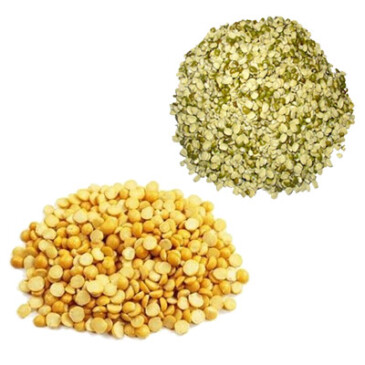
Split yellow lentils, also known as moong dal, are a type of legume that are commonly used in Indian and South Asian cuisines. These small, disk-shaped lentils have a mild, slightly sweet, and earthy flavor. Split yellow lentils are a great source of plant-based protein, fiber, and essential nutrients.
Get cooking with the Chefadora App.
They support heart health by improving cholesterol levels, aid digestion, and are an excellent source of energy. However, those with sensitivities to legumes should monitor for digestive discomfort. Yellow lentils are not ideal for a strict keto diet due to their carbohydrate content. One cup of cooked yellow lentils contains about 39 grams of carbohydrates, including 15 grams of fiber.
Common Questions About Yellow lentils Nutrition
Yellow lentils are a rich source of protein, dietary fiber, and essential nutrients such as iron, folate, and magnesium. Yellow lentils are an excellent protein source, which is particularly beneficial for anyone following a vegan or vegetarian diet. As someone who values health-conscious choices, I appreciate that these lentils are both gluten-free and packed with essential nutrients. In my pantry, yellow lentils are an essential item due to their versatility and health benefits. Originating from India, these vibrant legumes are not only a staple in Indian cuisine but also a favorite in my kitchen for their ease of preparation and nutritional value. Yellow lentils are a robust source of nutrition, offering substantial benefits particularly in the arenas of heart health and digestive system support.
Health Benefits of Yellow Lentils
Yellow lentils are a versatile and nutrient-rich legume known for their mild, slightly nutty flavor and soft, creamy texture when cooked. These small, round, golden-yellow pulses are a staple in many cuisines, particularly in South Asian, Middle Eastern, and African cooking. Packed with protein, fiber, and essential vitamins, yellow lentils are an excellent plant-based protein source. Their quick cooking time and ability to absorb flavors make them a favorite ingredient for soups, stews, curries, and side dishes. Lentils belong to the legume family, which also includes beans, peas, and peanuts.
You’ll also find minerals like iron, which can be a lifesaver for folks not eating meat, and potassium, which helps balance out sodium and keep blood pressure in a good range. They even have these cool plant compounds called polyphenols, which act like antioxidants, fighting off damage in your body. Ultimately, whether you choose red, brown, yellow, green, or black lentils, you’re making a healthy choice that contributes significantly to your daily protein intake. The choice often comes down to the dish you’re making and the texture and flavor you prefer. For instance, if you’re aiming for a creamy dal, red lentils are your best bet, even if they’re not the absolute highest in protein. Remember, the way you cook them can also affect the final nutrient density, so keep that in mind for your meal planning.
Can you provide some recipes that use yellow lentils?
Black beluga lentils hold shape like green lentils but offer richer, earthier flavor. Yellow lentils deliver 90% of your daily folate needs in a single cup—essential for cell division and DNA synthesis. They also provide substantial iron (about 37% daily value), though I pair them with vitamin C-rich foods like tomatoes or lemon juice to enhance absorption.
Comparing Yellow Lentils With Other Lentil Varieties:
Plus, unlike other legumes, lentils don’t need to be soaked before cooking. Though lentils, like all legumes, contain some antinutrients, unimeal reviews dehulling and cooking the seeds greatly reduces the presence of antinutrients (23). Yellow lentils have the most protein, with about 24.5 grams per 100 grams when raw.
Polyphenols in lentils may have powerful health benefits
That’s great from a nutritional perspective, as bran contains fiber and plenty of vitamins and minerals. Half a cup (40 g) of dry oats provides approximately 5 g of protein and 4 g of fiber. In addition, studies show that sprouting increases their content of specific amino acids, such as lysine, which can help boost their overall protein quality. Spelt and teff provide 10–11 g of protein per cooked cup (250 g), making them higher in protein than other ancient grains.
- This means that while the total amount of protein in the lentils remains the same, the protein per gram or per cup decreases because of the added water.
- Lentils are also rich in other essential nutrients like iron, zinc, and potassium, making them a nutritious and well-rounded addition to a plant-based diet.
- You can also soak your lentils overnight to lower the levels even further (23).
- Batch-cooking yellow lentils becomes even easier when you have a food processor that can chop, blend, and mix anything in seconds.
- It’s also possible to can or dehydrate lentils to preserve them for longer periods of time.
- There are more than 18 grams of starch in a single serving of lentils, providing the body with energy.
Hoist Drink IV Level Hydration Benefits
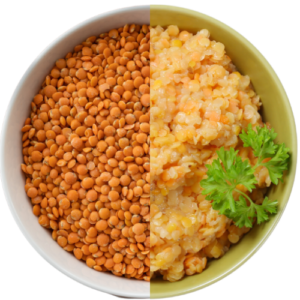
Some people may be allergic to lentils, which can cause symptoms like hives, itching, and digestive problems. Additionally, lentils contain a type of protein called lectin, which can cause inflammation and digestive problems in some individuals. Lentils also contain phytic acid, a compound that can inhibit the absorption of minerals like zinc, iron, and calcium. Green lentils, which are also known as French lentils, are the most commonly available type of lentil.
Lentils offer a consistent, reliable protein boost in a plant-based diet—much more so than most other legumes except perhaps chickpeas or black beans. Do different lentil varieties vary significantly in protein quality? While protein quantity varies slightly, the protein quality across lentil varieties is relatively consistent, providing a good balance of essential amino acids. These values are approximate, as cooking times and water absorption vary. Despite dilution, lentils remain a robust source of protein even after cooking.